Tequila vs mezcal: What’s the difference? It’s one of the most common questions at any bar along the Arizona-Mexico border. Both spirits come from the agave plant. Both have deep roots in Mexican culture. But they taste completely different, and knowing which to reach for makes a real difference in your cocktail. I’ve been cooking and drinking along the Sonoran borderlands for years, and this tequila vs mezcal guide reflects how these spirits actually live in the kitchens and cantinas of Tucson and Sonora. At the end I’ll share my recipe for the Paloma – a quintessential Sono
What Is Tequila?
Tequila is a type of mezcal – but not all mezcal is tequila. Tequila comes specifically from the Blue Weber agave plant. It can only come from designated regions of Mexico, primarily the state of Jalisco. The agave hearts (called piñas) are steamed or baked, then fermented and distilled. Tequila comes in four main varieties: Blanco (unaged or aged briefly), Reposado (barrel-aged at least two months), Añejo (barrel-aged at least one year), and Extra Añejo (barrel-aged at least three years). Always look for bottles labeled “100% Blue Agave” – mixtos only contain 51% Blue Agave and taste noticeably inferior.
What Is Mezcal?
Mezcal is the broader category of agave spirit. Producers can make it from many different agave varieties: tobalá, espadin, tepeztate, and dozens more… but not from Blue Weber agave, which belongs exclusively to tequila. The key difference is the roasting process. Mezcal producers roast the agave hearts in underground pit ovens lined with volcanic rock and wood. That roasting gives mezcal its signature smoky, earthy flavor. No two mezcals taste alike because the agave variety, the region, and the producer’s technique all shape the final spirit dramatically.
Which Should You Use for Cocktails?
For bright, citrus-forward cocktails like the Cadillac Margarita or the Paloma, a good reposado or añejo tequila is the right choice. The barrel aging adds caramel and vanilla notes that balance lime and grapefruit beautifully. For cocktails where you want smokiness to be a feature — a mezcal negroni, a smoky margarita, or a mezcal mule — reach for mezcal. A smoky mezcal also pairs remarkably well with the chile-forward flavors of Sonoran food. Try it alongside coctel de camaron or Sonoran flat enchiladas for a genuinely regional pairing.
Tequila is a type of mezcal that comes from the baked heart of the Blue Agave plant. It can only be produced in certain specifically designated areas in Mexico. It comes in four main varieties:
Blanco/silver: unaged or very shortly aged,
Reposado (rested): barrel aged for at least two months but less than a year
Anejo (aged): barrel aged for at least a year but less than three year
Extra Anejo: barrel aged for a minimum of three years
Make sure that the bottle states that it is made with 100 Blue Agave. Be aware of Mixtos: which only have to contain 51% Blue Agave.
Mezcal can be made from the heart of many different types of agave but it can not be made from Blue Agave. The agave hearts are roasted in underground pit ovens which gives the mezcal the distinct smoky flavor that I love.

Instructions
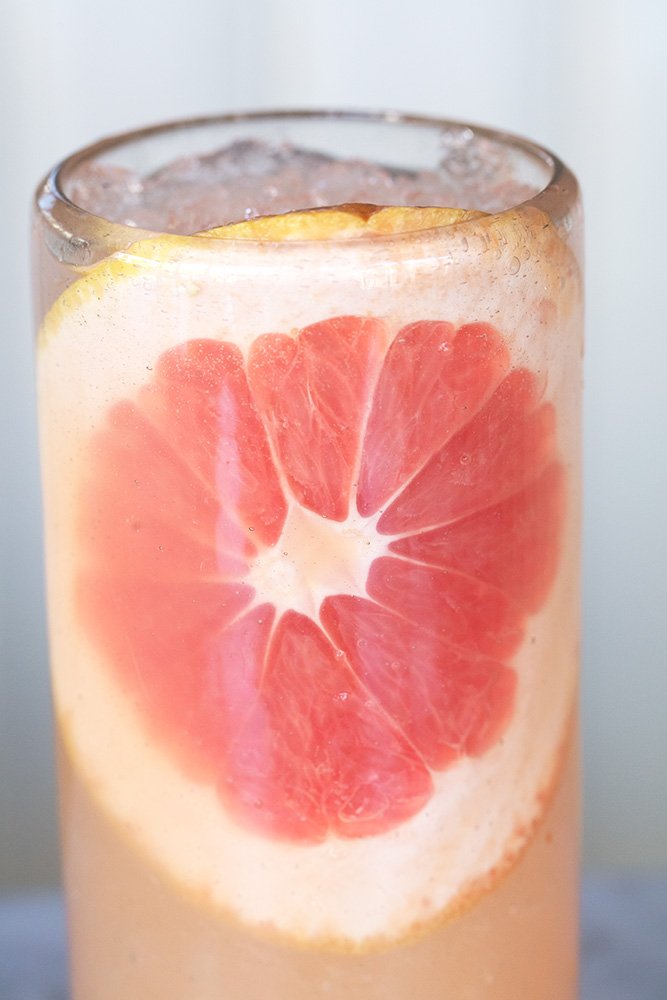
- Rim a pint glass with sea salt and fill with ice. Add 2 ounces Anejo tequila or mezcal and the juice from 1 lemon or 2 limes. Top with soda water.
- Add a couple of ounces of grapefruit juice to the mix and call it La Paloma, which means dove. Doves in no way resemble grapefruit, so, no, I don't know why they call it that.
- Makes 1 drink.
Notes